Interview Proposal with Sam Tyler, Bangkok Condo Explorer: $900 vs $2,100 vs $3,000 Two-Bedroom Condos
Interview Proposal with Sam Tyler, Bangkok Condo Explorer: $900 vs $2,100 vs $3,000 Two-Bedroom Condos
- Get link
- X
- Other Apps
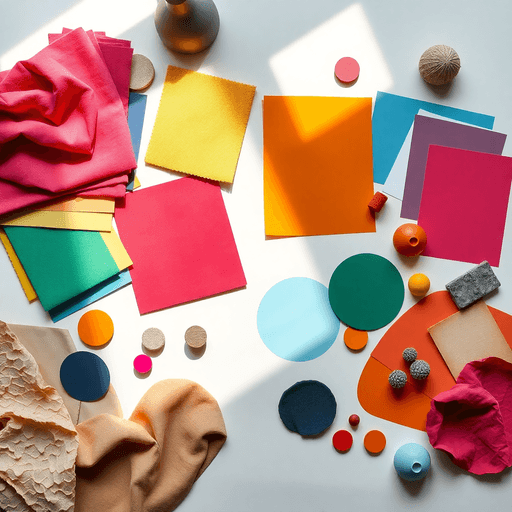
A moodboard is a carefully curated visual collage that defines style, tone, and creative direction for a project. It combines images, colors, textures, typography, and other design elements to communicate a cohesive aesthetic vision. Moodboards are essential across multiple industries:
By visually organizing inspiration, a moodboard simplifies complex ideas into a unified artistic language. This makes it easier for teams and clients to agree on the project's creative direction before development begins.
Advancements in technology are reshaping how we create moodboards by 2026. AI integration is set to revolutionize moodboard design with features such as:
These innovations will make moodboard creation faster, more intuitive, and more collaborative. AI-powered moodboard sites will empower creators to explore concepts dynamically while maintaining precise control over every detail. Expect the future of moodboards to blend human creativity with intelligent assistance — refining your ability to define style and tone like never before.
In addition to visual elements, incorporating sensory experiences can further enhance the effectiveness of a moodboard. For instance, creating an AI-generated playlist that resonates with the project's theme can provide an immersive experience.
Moreover, understanding how to curate reading playlists or the impact of listening to music while reading can also inspire the creative process behind moodboard creation.
Finally, reflecting on what inspired you to create your project can provide valuable insights that shape the final outcome of your moodboard.
A mood board is a curated collage of images, textures, colors, and typography that captures the essence of a creative vision. Sometimes called an inspiration board, it serves as a tangible reference point for anyone involved in a project. Whether you’re working in fashion, interior design, branding, or marketing, moodboards help clarify ideas that might otherwise remain abstract.
You can think of a moodboard as the first sketch in visual form. It goes beyond verbal descriptions or written briefs by offering concrete examples of how a concept should look and feel. This clarity helps prevent misunderstandings early on, ensuring everyone shares the same expectations.
A moodboard functions like a style guide before the actual design work begins. It highlights essential components that shape the project’s visual identity:
"Moodboards act as blueprints for communicating style and tone visually."
Visual identity depends on consistent application of these elements across platforms and materials. Without this foundation established early on via moodboarding, projects risk incoherence or diluted messages.
Using moodboards encourages collaboration by providing a shared platform for feedback and iteration. When stakeholders see what “style” or “tone” means visually rather than just conceptually:
Digital tools make sharing inspiration boards simple and interactive. You can invite contributors to add suggestions or vote on preferred visuals—turning static moodboards into dynamic conversations about style and tone.
Moodboards do more than inspire—they set standards. They define the language of your project’s visual identity before a single pixel or stitch is made. This foundational role makes understanding their power essential for any creative professional aiming to deliver cohesive and compelling outcomes.
However, it's important to remember that while moodboards are powerful tools for visual communication, they can also be complemented by other forms of expression such as music. For instance, creating an ultimate playlist can further enhance the creative process by setting the right tone and atmosphere during brainstorming sessions.
Additionally, mastering music can provide valuable insights into how different sounds evoke different emotions which can be reflected in your moodboard's color palette or overall feeling.
Moreover, incorporating expert tips for playlist creation can elevate your playlist-making skills and ensure that your chosen music resonates with your intended message or theme.
By combining these various elements—moodboards as visual references alongside playlists as auditory cues—you can create a multi-sensory experience that truly captures the essence of your creative vision.
Digital platforms have transformed moodboard creation from a manual, collage-like process into a streamlined, collaborative experience. Popular online mood board platforms such as Canva and Pinterest remain foundational tools. Canva’s user-friendly interface and extensive template library enable designers to quickly assemble visual elements, while Pinterest excels at inspiration gathering and community sharing. These platforms continue to evolve but mainly focus on organizing and presenting existing assets rather than generating new content.
Enter Adobe Firefly Boards, a breakthrough in AI-powered moodboard tools that redefines how you create and interact with moodboards. Built with generative AI capabilities, Firefly Boards not only facilitates layout design but actively participates in creative exploration by producing visuals on demand:
AI integration extends beyond image creation. It supports transparency by providing proper attribution for all AI-generated content, ensuring ethical use—a crucial factor as influencer ai and ai virtual influencer trends rise in marketing strategies.
The influence of influencer marketing ai also intersects with moodboard technology. Brands harness insights from ai generated influencer profiles to tailor their visual narratives effectively before launching campaigns. This synergy between creative tools like Adobe Firefly Boards and ai influencer marketing strategies helps craft consistent brand aesthetics that resonate deeply with target audiences.
While traditional platforms like Canva mood board templates prioritize accessibility and collaboration, Adobe Firefly Boards elevates the creative process by embedding artificial intelligence directly into design workflows. It empowers you to experiment more freely without technical barriers or time constraints—making it an invaluable asset in 2026’s fast-paced creative landscape.
Moreover, the advancements in AI technology are also influencing other fields such as music discovery. Just as moodboard creation has evolved with AI integration, so too has the way we discover music.
Creating a mood board process starts with purposeful collection and arrangement of visual elements that clearly communicate your project's creative direction. Follow these practical steps to build a moodboard that truly defines style and tone.
Use collaborative platforms like Pinterest or Canva templates to gather diverse visuals reflecting the desired aesthetic:
Colors influence mood powerfully; choose palettes aligned with the atmosphere you want to convey:
Textures add tactile impressions visually; typography sets tone through style of lettering:
Layout decisions influence how viewers interpret the moodboard’s narrative:
Adhering to foundational principles will strengthen your moodboard’s impact:
Making a moodboard is an iterative process—adjust images, colors, textures, and layout several times until the board encapsulates exactly the style and tone you want your project to express. This clear visual directive will guide all subsequent creative decisions effectively.
Additionally, consider incorporating curated playlists as part of your mood board. Music can significantly influence the emotional response to visual elements. By including a curated playlist that aligns with your project's theme, you can further enhance the overall aesthetic experience of your SEO virality score.
Creating a mood board today often starts with online mood board sites that simplify collaboration and streamline the creative process. Among these, Pinterest and Canva stand out as dominant platforms, each offering unique advantages depending on your project needs.
Pinterest excels in the early stages of creating a mood board, especially when you need a broad range of ideas from diverse sources.
When precision and aesthetic coherence matter most, Canva’s mood board features provide a powerful environment for crafting polished presentations ready to share with clients or stakeholders.
AI influencers—digital personas powered by artificial intelligence—are becoming prominent voices in creative fields. These moodboard ai influencer tools analyze trends across social media channels and consumer data to offer actionable insights on style preferences, color psychology, and emerging motifs.
Marketing teams now harness these AI influencer marketing tools to:
Incorporating input from ai influencers within your workflow helps you align moodboards with market demands while preserving innovative flair. These insights can inform everything from selecting imagery to defining tonal consistency across your project.
Combining traditional platforms like Pinterest for inspiration gathering with Canva’s robust design capabilities enhances efficiency. Adding AI-powered influencer insights introduces a strategic layer that refines your creative direction according to evolving audience tastes. This blend transforms how you approach online mood board creation—from simple collection to data-informed storytelling that drives engagement.
Creating a moodboard that truly defines style and tone requires more than just assembling pretty images. You need consistent details in design to ensure every visual element aligns perfectly with your creative vision. This consistency is what makes the moodboard an effective tool for defining creative direction with boards.
AI-powered platforms now offer features like:
These tools reduce guesswork and help maintain consistent details in design effortlessly.
“A well-crafted moodboard serves as a north star—it keeps every contributor aligned with the project's essence.”
Keeping all these factors in check ensures your moodboard is not just visually appealing but also a reliable foundation for creative decision-making across teams.
Exploring mood board examples inspiration reveals how versatile moodboards can be across different creative fields. Whether you are crafting a fashion mood board, an interior design mood board, or even a web design mood board like the ones discussed here, the choice of style dramatically influences the emotional impact and clarity of your visual story.
Fashion moodboards often balance color, texture, and form to express a collection’s personality. Consider these approaches:
Both styles serve different branding goals but use visual elements strategically to define tone — minimalism for understated luxury; maximalism for bold statement-making.
Interior design mood boards distill spatial concepts into a unified aesthetic experience. Look at how contrasting styles articulate distinct atmospheres:
Mood board examples extend beyond fashion and interiors:
These examples prove that well-crafted moodboards do more than inspire; they act as essential communication tools that unify vision across teams and projects. Using diverse styles effectively helps you tailor your creative direction precisely to your goals.
By studying varied mood board examples, you gain insights into how style choices influence tone while sparking new ideas for your own creations.
Creating a moodboard that perfectly captures style and tone combines human creativity with AI assistance. The future of mood boards lies in this collaboration, where intuitive design meets powerful AI tools to enhance your visual storytelling.
Consider these points to effectively combine both worlds:
"Moodboards are more than just collections of images—they are visual narratives. Blending your creative intuition with AI’s capabilities unlocks new horizons for storytelling."
Use this combination intentionally to:
Your next moodboard can define not only style and tone but also set a new standard for innovation in creative projects. Let the evolving world of AI shape your workflow while you maintain control over the essence of your design.
Additionally, consider creating an AI-generated playlist that complements the moodboard. This could further enhance the storytelling aspect by providing an auditory element that aligns with the visual narrative.
A moodboard is a visual collage or inspiration board that defines the style, tone, and creative direction of a project. It plays a crucial role in industries such as fashion, interior design, branding, and marketing by clarifying ideas, setting project aesthetics, and aligning vision among stakeholders.
By 2026, advancements in AI-powered moodboard tools like Adobe Firefly Boards will enable rapid image generation, remixing existing assets, style matching, background removal, layout guidance, and image adjustments. This integration will streamline the creative process and enhance the efficiency of moodboard design.
Creating an effective moodboard involves collecting inspiration images and assets that reflect the desired style and tone using platforms like Pinterest or Canva templates. It includes selecting color palettes to evoke specific emotions, combining textures and typography for aesthetic coherence, and arranging elements to tell a clear creative story.
Popular online platforms for collaborative moodboard creation include Pinterest boards and Canva templates. These sites offer user-friendly features for collecting inspiration and designing cohesive boards. Additionally, AI influencer marketing insights are shaping creative directions on these platforms.
Designers can ensure consistency by making sure all visual elements support the chosen style and tone without contradictions. Maintaining harmony between colors, imagery styles, fonts, and other details reinforces the brand or project identity effectively through the moodboard.
Moodboards showcasing diverse styles—from minimalist to maximalist—demonstrate how varying approaches communicate different moods effectively. For instance, minimalist fashion moodboards emphasize simplicity and elegance, while maximalist interior design boards convey richness and vibrancy, inspiring creativity across projects.
Comments
Post a Comment